
Open 24/7
24/7 Mobile Locksmith in Philadelphia, PA
Locked out, lost your car keys or need new locks? Our mobile locksmiths come to you 24/7 across Philadelphia and nearby towns.
Who We Are
About Us
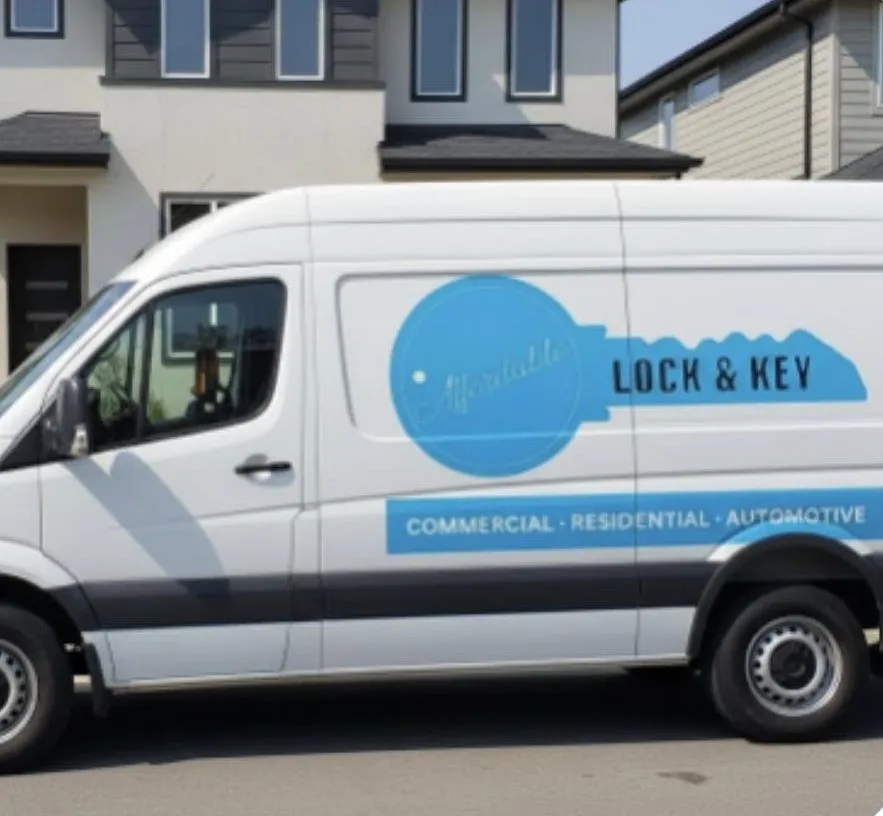
Affordable Lock & Key is Rony's locksmith company, serving Philadelphia and nearby towns 24/7. Our mobile team takes care of homes, cars and businesses with honest prices and careful work.
Brands We Work With
- Schlage
- Kwikset
- Baldwin
- Medeco
- Mul-T-Lock
- Weiser
What We Do
Locksmith Services
Home, business and car lock and key work, all from mobile locksmiths who come to you.
For Your Home
Lockouts, lock changes, rekeys and spare keys.
4 Services- Residential Locksmith ServicesHome lockouts, lock changes, rekeys and smart lock installs for houses, rowhomes and apartments across Philadelphia, by a mobile locksmith who comes to you.
- Lock Repair & InstallationRepair or replace sticking, broken or worn locks, and install new deadbolts, knobs, levers and high security locks on homes and businesses in Philadelphia.
- Lock RekeyingMake old keys useless without replacing your locks. We rekey homes, apartments and businesses in Philadelphia so only the people you choose have a working key.
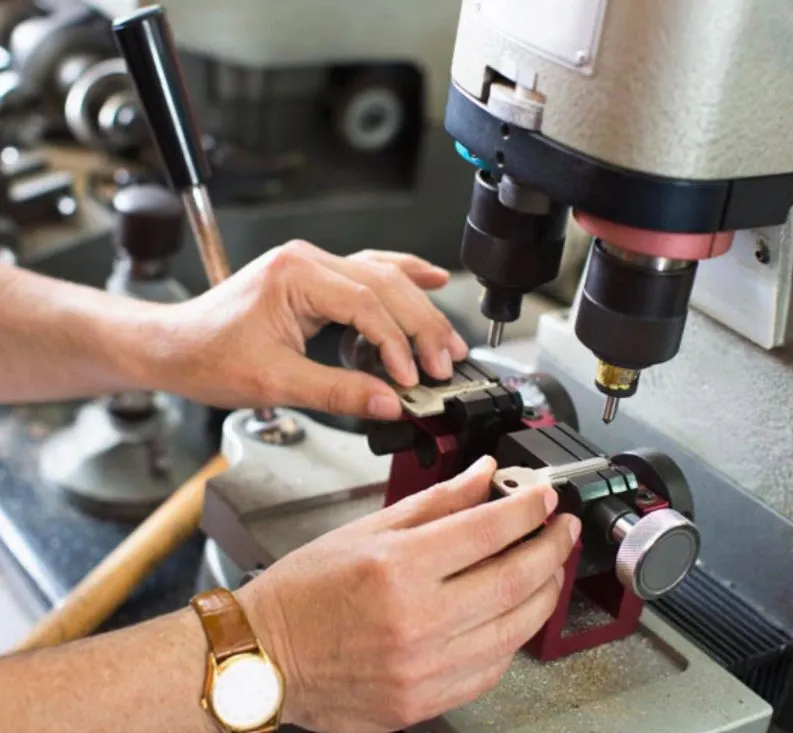
- Key DuplicationSpare house keys, office keys, mailbox and padlock keys cut to fit and turn smoothly, so you always have a backup ready across Philadelphia and nearby towns.
For Your Business
Commercial locks, access control and key control.
5 Services- Commercial Locksmith ServicesLocks, rekeys, master key systems, access control, panic bars and door closers for Philadelphia offices, storefronts, warehouses and rental buildings.
- Access Control System InstallationKey card, fob and keypad access control installed for Philadelphia businesses and buildings, so you decide who gets in, where and when, without handing out keys.
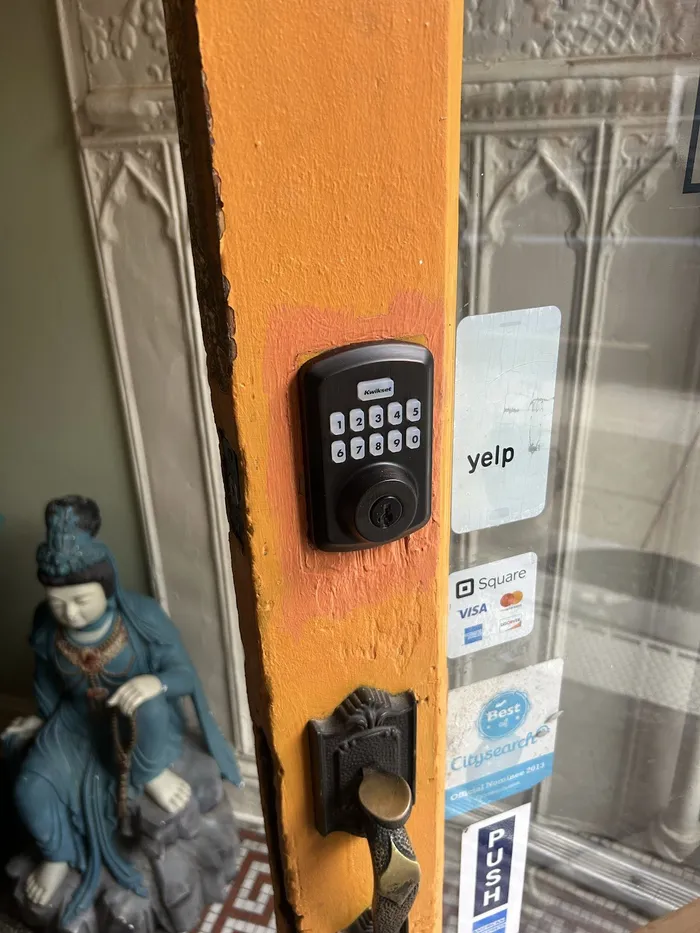
- Keyless Entry Lock InstallationKeypad and smart locks installed on homes, rentals and businesses in Philadelphia, so you can open the door with a code or your phone instead of a key.
- Master Key System InstallationOne key for the manager, the right keys for everyone else. We design and install master key systems for Philadelphia businesses, schools and rental buildings.
- Safe Locksmith ServicesLocked out of your safe or stuck with a lock that won't open? We help with safe openings, lock repairs and combination changes in Philadelphia and nearby.
For Your Car
Car keys, fobs, lockouts, ignitions and door locks.
8 Services- Automotive Locksmith ServicesCar lockouts, lost car keys, key fobs, transponder key programming and ignition repair for most makes and models, wherever you're stuck in Philadelphia.
- Car Lockout ServiceKeys locked in the car? Our mobile locksmiths come to you 24/7 and get you back inside using careful methods that protect your doors, paint and locks.
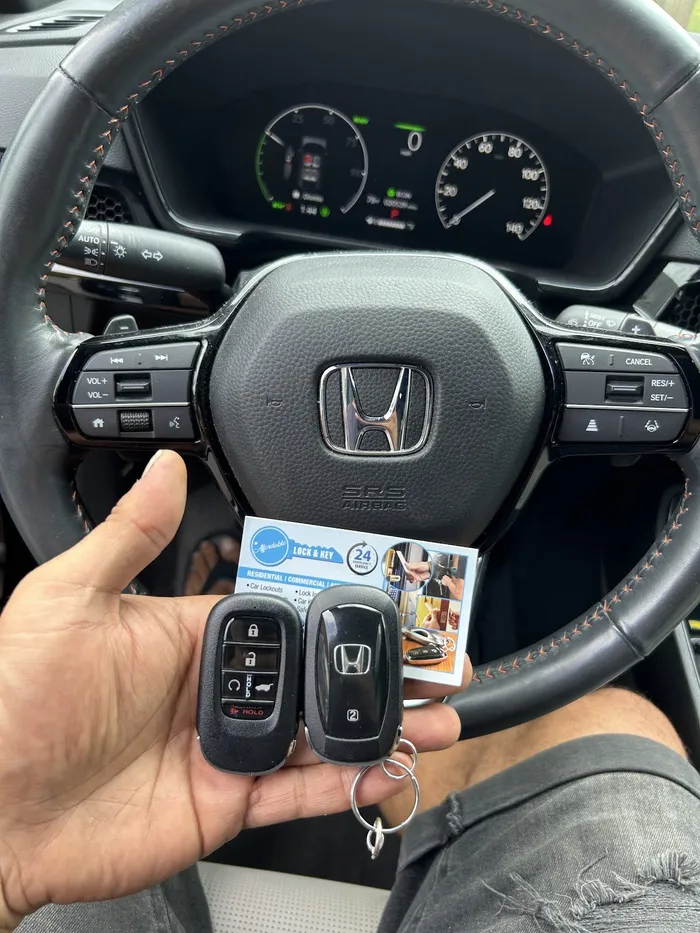
- Car Key ReplacementLost every car key or stuck with a broken one? We cut and program new car keys, transponder keys and smart keys right where your car is parked.
- Car Key DuplicationGet a spare car key before you need one. We copy regular, transponder and remote car keys for most makes and models, right where your car is parked.
- Car Key ProgrammingTransponder keys, remotes and smart keys programmed to your vehicle so your car starts and your buttons work, done on site anywhere in Philadelphia.
- Key Fob ReplacementLost, broken or dead key fob? We supply, cut and program replacement fobs and remote keys for most vehicles, so your buttons and push-to-start work again.
- Ignition Switch RepairKey stuck, won't turn or the car won't start? We repair and replace ignition switches and cylinders on site, so you don't have to tow your car to a shop.
- Car Door Lock RepairCar door won't lock, unlock or open with the key? We repair and replace car door lock cylinders and fix key problems on site for most makes and models.
24/7 and Mobile
Help that comes to you, day or night.
2 Services- Emergency Locksmith ServicesLocked out, broken key or a lock that failed after a break-in? Our emergency locksmiths are available 24/7 for homes, cars and businesses in Philadelphia.
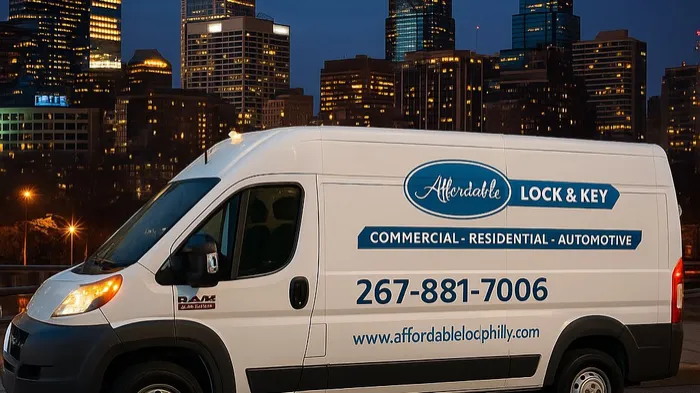
- Mobile Locksmith ServicesA locksmith that comes to you. Our mobile vans bring the tools and hardware for lockouts, rekeys, lock changes and car keys to your home, office or car.
Where We Work
Service Areas
Our mobile locksmiths come to you across Philadelphia and these nearby towns.
- Philadelphia
- Upper Darby
- Drexel Hill
- Springfield
- Darby
- Yeadon
- Lansdowne
- Bala Cynwyd
- Cheltenham
- Jenkintown
- Pennsauken
Reviews
Customer Reviews
Read what our customers say about working with Affordable Lock & Key.
 Find Us on Google
Good To Know
Frequently Asked Questions
Quick answers about our services, the areas we cover and how to get a price.
What locksmith services does Affordable Lock & Key offer?
We handle home, business and car locksmith work. That includes residential locksmith services, lock repair and installation, lock rekeying and key duplication; commercial locksmith services, access control system installation and master key systems; and automotive locksmith services like car lockout service, car key replacement and key fob replacement.
Are you really available 24/7?
Yes. Our emergency locksmith services are available 24 hours a day, 7 days a week for home, car and business lockouts, broken keys and locks that fail after a break-in. Call us any time at (267) 881-7006.
Which areas do you serve?
We serve Philadelphia and nearby towns including Upper Darby, Drexel Hill, Springfield, Darby, Yeadon, Lansdowne, Bala Cynwyd, Cheltenham, Jenkintown and Pennsauken, NJ.
Can you make a new car key if I lost all of my keys?
Yes. We can cut and program a new key even when no keys are left, for most makes and models. Have your ID and proof of ownership, like the registration, ready, and see our car key replacement and car key programming pages for what to expect.
Should I rekey my locks or replace them?
If your locks work well and you just want old keys to stop working, lock rekeying is usually the simpler choice. If a lock is worn out or damaged, or you want stronger or keyless hardware, lock repair and installation is the way to go. We'll give you an honest recommendation when we see the lock.
Do you come to me?
Yes. Our mobile locksmith services bring the tools and hardware to your home, business or wherever your car is parked, so most jobs are done on site in one visit.
Do you work on business locks and access control?
We do. Our commercial locksmith services cover storefront and office locks, panic bars and door closers, and we install access control systems, keyless entry locks and master key systems for businesses and rental buildings.
How do I get a price for my job?
Call us at (267) 881-7006 or send us a message through our contact page with what's going on and where you are. We'll explain your options and give you the price before any work begins.
Get In Touch
Contact Us
Send us a message with what's going on and where you are.
Call Us (267) 881-7006Open 24/7
Open 24/7
Contact Us
Send us a message with what's going on and where you are.