
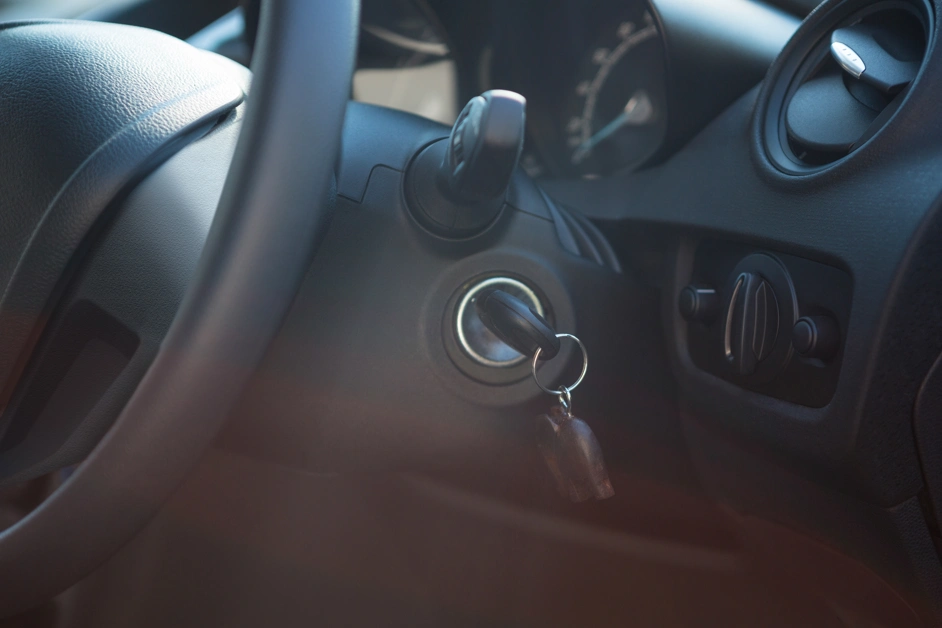
You turn the key, and nothing happens. The car sits quietly in a parking lot while you run late and start to sweat. Most drivers blame the battery first, but the ignition switch is often the hidden cause. This guide covers the clear signs you need ignition switch repair before a small fault leaves you stuck on the road.
What Does the Ignition Switch Actually Do?
The ignition switch is the part behind your key or start button that sends power through the car. As you turn the key, it moves through positions: accessory for the radio, on for the dashboard and fuel pump, and start to crank the engine. When the switch wears out or its contacts fail, that power flow breaks. The result shows up in the ten signs below.
10 Warning Signs You Should Not Ignore
1. The Car Does Not Start on the First Try
A healthy car fires up when you turn the key. When you find yourself turning it two or three times before the engine catches, the switch contacts may be worn. This slow, hit-or-miss start is one of the first signs that trouble is building.
2. The Key Sticks or Will Not Turn
A key that jams, sticks, or refuses to turn points to a worn switch or lock cylinder. Forcing it can snap the key inside and leave you with a bigger problem. A worn key is sometimes the cause too, and a fresh car key replacement can rule that out before you touch the switch.
3. The Engine Stalls While Driving
This is the sign that scares people, and for good reason. A faulty switch can slip from the run position to accessory over a bump, and the engine cuts out while the car moves. This danger is not small. A well-known ignition switch defect was linked to over 120 deaths because the fault also shut off the airbags. When your engine dies mid-drive, treat it as urgent.
4. Dashboard Lights Flicker or Go Dead
The switch feeds power to your dashboard. When the lights flicker, dim, or drop out as you drive, the switch may be losing its grip on the electrical flow. Watch for gauges that reset or warning lights that blink for no clear reason.
5. No Sound at All When You Turn the Key
A working start sends a click or a crank to the starter. Silence when you turn the key, with a battery you know is charged, often points to a switch that no longer passes the signal to start the engine.
6. The Car Starts, Then Shuts Off
The engine catches, runs for a second, then dies. This stop-start pattern happens when the switch cannot hold the run position. It sends power for the start, then loses the connection that keeps the engine alive.
7. Accessories Will Not Power On
Turn the key to accessory, and the radio, windows, or dashboard stay dead. When these fail while the battery is fine, the switch may not be sending power to the accessory circuit. This small clue often shows up before the bigger problems start.
8. The Key or Switch Feels Hot
A switch that draws too much current can heat up. When the key or the area around it feels warm, or you notice a faint burning smell, stop and get it checked. This points to a wiring or contact fault that can grow into a fire risk.
9. Trouble Pulling the Key Out
A switch in good shape lets the key slide out in the off position. When the key gets stuck or will not come out, the switch or cylinder is worn or jammed. Wiggling and forcing it only speeds up the damage.
10. Random Electrical Glitches
Odd, on-and-off electrical faults tie back to the switch more often than people expect. Wipers that quit, a fuel pump that cuts out, or gauges that jump can all trace to a switch losing steady contact. When several small faults appear together, the switch is a strong suspect.
Also Read: Rekeying vs. Replacing Locks: What’s the Difference?
What Causes an Ignition Switch to Fail?
A switch does not fail without a reason. A few common causes wear it down over time:
- Age and use. Every turn of the key adds wear, and after years, the metal contacts fatigue.
- A heavy keychain. A loaded key ring pulls on the switch and speeds up the wear.
- A worn key. A key with rounded edges strains the cylinder and the switch.
- Heat and moisture. Extreme temperature and damp air corrode the contacts inside.
- Wiring faults. Loose or damaged wires behind the switch break the flow of power.
Knowing the cause helps you avoid a repeat once the fix is done.
Is It Safe to Drive with a Bad Ignition Switch?
The honest answer is no. A switch that stalls the engine mid-drive puts you and everyone near you at risk, since you lose power steering and braking help in that moment. Even a switch that only struggles to start can strand you far from home at the worst time. When you notice two or more of the signs above, book an automotive locksmith for ignition switch repair rather than waiting for a full breakdown.
Ignition Switch Repair or Full Replacement?
Not every case needs a new switch. A skilled locksmith checks whether the problem is the switch, the lock cylinder, or the key, then picks the smaller fix when possible. A worn cylinder or a bad key costs less to sort out than a full switch swap. When the switch itself is the fault, a proper replacement restores clean power and stops the stalling for good. A mobile locksmith can handle most of this at your location, so you skip the tow to a dealer and the high dealer price.
Get Fast Ignition Switch Repair Before You Get Stranded
A failing ignition switch does not fix itself. It starts with a sticky key or a slow start, then grows into a car that dies in traffic or refuses to move at all. Every day you wait, the risk of getting stranded, or worse, climbs higher.
We handle ignition switch repair for cars across Philadelphia and the nearby areas, with mobile locksmiths who reach you fast and carry the tools to fix the fault on the spot. Our team checks the switch, the cylinder, and the key, gives you an honest price up front, and gets you back on the road without a costly dealer trip. Contact Affordable Lock & Key today and let us sort out your ignition before it leaves you stuck.


